Protect Your Home: Essential Services Offered by Professional Electricians
Certified electricians offer vital services that strengthen home safety. They resolve typical electrical concerns and conduct regular inspections to identify potential hazards. These experts ensure that installations meet safety standards while also advising on enhancements to older systems. Understanding these essential services can prevent emergencies and protect property value. Property owners often question what specific issues electricians tackle and how to choose the best professional for their situation.
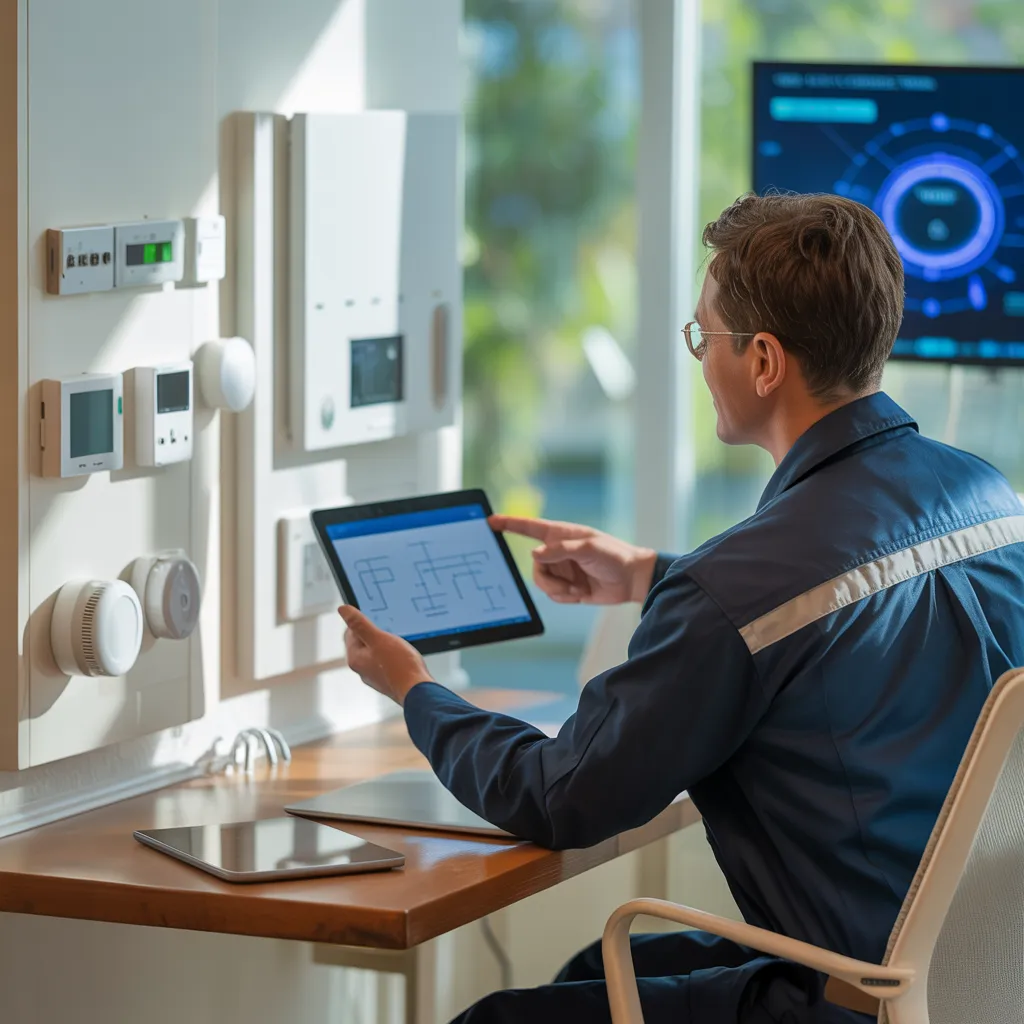
Frequent Electrical Issues and How to Resolve Them
Electrical problems have the potential to affect daily activities, making it important to identify frequent issues and how to address them. Flickering lights, as a common example, commonly stem from unsecured bulbs or damaged wiring. Securing loose connections or swapping out bulbs can fix this problem. Circuits carrying excessive loads, characterized by frequent breaker trips, can be addressed by spreading appliances across multiple circuits or installing a new electrical panel.
Another prevalent problem involves outlets that stop functioning, which can result from tripped breakers or faulty wiring. Evaluating the breaker and reviewing the outlet can aid in pinpointing the issue. Furthermore, ground fault circuit interrupters (GFCIs) might trip without warning because of moisture or malfunctioning devices; resetting the GFCI or swapping out faulty devices can bring back full functionality. Identifying these frequent electrical concerns allows homeowners to resolve problems quickly, maintaining security and optimal performance within their residences.
Why Regular Electrical Inspections Matter
Although many homeowners may overlook the significance of routine electrical inspections, these assessments are vital for preserving the safety and functionality of every property. Regular inspections identify potential hazards such as defective wiring, aging systems, and overloaded circuits, which can lead to electrical fires or equipment failures. By tackling these problems before they escalate, homeowners can prevent expensive repairs and guarantee compliance with safety regulations.
Additionally, inspections aid in detecting energy-related inefficiencies, facilitating changes that contribute to more manageable energy bills. Certified electricians check here have the skills to identify early signs of wear and damage that may go unnoticed by the average homeowner. Furthermore, scheduled inspections commonly improve the durability of electrical components and appliances, supporting the long-term value of the home. When all is considered, making regular electrical inspections a priority is a vital measure in protecting both the inhabitants and the integrity of the home.
The Role of Inspections in Achieving Safe Installations
Routine electrical inspections serve a critical function in ensuring that installations are carried out safely and effectively. These inspections allow licensed electricians to evaluate existing wiring, outlets, and fixtures, uncovering potential risks or code violations prior to new installations starting. By examining the comprehensive condition of the electrical system, electricians are able to resolve problems such as obsolete wiring or insufficient grounding, which could compromise safety.
Furthermore, these evaluations create an opportunity to ensure that all elements satisfy existing safety codes. This preventative approach not only improves the safety of the installation but also shields homeowners from potential electrical failures or dangers. Qualified electricians draw on their experience to propose necessary enhancements or alterations, making certain that all installations comply with established best practices. At the end of the day, periodic inspections help establish a safer residential setting, giving homeowners confidence while decreasing the probability of electrical fires or system failures in the future.
Improve Your Electrical Panel for Enhanced Safety
Replacing a home electrical panel is a critical step in boosting the safety of a home. An old electrical panel can create serious risks, including electrical fires and equipment damage. Professional electricians recommend this update to meet today's electrical requirements and provide stable electrical distribution.
Newer panels come equipped with sophisticated protective features, such as circuit breakers that promptly interrupt electrical flow when overloads or faults occur. This reduces the chances of overheating and related dangers. Moreover, upgrading typically permits the installation of additional circuits, accommodating the increasing number of electronic devices in households today.
Homeowners might experience lights that flicker, circuit breakers that trip often, or the odor of something burning, all signs that an upgrade may be necessary. Reaching out to a certified electrician can help determine if an electrical panel upgrade is appropriate, promoting a safer home environment while addressing the requirements of modern electrical consumption.
How to Handle an Electrical Emergency
Electrical emergencies can arise unexpectedly, often underscoring the importance of a adequately serviced electrical panel. In such circumstances, swift action is necessary to guarantee safety. To begin, individuals should remain calm and evaluate the circumstances. If there is visible fire or smoke, leaving the building and contacting emergency services should be the priority. For electric shock incidents, it is important not to make direct contact with the victim and instead use a non-conductive object to separate them from the source of electricity.
In the event of a power outage, inspecting the circuit breaker is a wise measure prior to reaching out to a licensed electrician. When unusual odors or buzzing sounds emerge from outlets, it is essential to unplug appliances and refrain from operating them until a qualified expert can evaluate the system. Above all, maintaining copyright information for a licensed electrician within reach can facilitate swift action in critical moments, ensuring safety and reducing potential harm.
Tips for Choosing the Right Licensed Electrician
What steps can someone take to ensure they choose the correct licensed electrician for their situation? To begin, confirming the electrician's license and insurance is critical to ensure adherence to local regulations. Furthermore, consulting recommendations from friends, family, or online reviews can shed light on the electrician's trustworthiness and caliber of service.
Moreover, it is important to find out about the electrician's qualifications and areas of expertise, as some may focus on residential electrical projects while others specialize in commercial installations. Requesting a comprehensive quote, covering parts and labor costs, is helpful for comparing costs and avoiding surprises.
Furthermore, examining communication skills is important; a qualified electrician should articulate issues effectively and answer questions patiently. Lastly, verifying warranties on work performed can reflect a pledge to excellence. By weighing these considerations, homeowners can make informed decisions, ensuring safety and satisfaction with their preferred electrician.
Questions We Often Receive
What Qualifications Should I Consider When Hiring a Licensed Electrician?
When looking for a certified electrician, it is essential to prioritize qualifications such as proper licensing, necessary certifications, substantial experience, strong client testimonials, and conformance to safety guidelines, securing both expertise and trustworthiness in electrical work.
What Are the Typical Costs for Electrical Services?
Electrician services commonly cost in the range of $50 to $100 an hour, subject to the difficulty of the work and the electrician's qualifications. Extra charges may be incurred for supplies, permits, or urgent services beyond standard working hours.
Are Warranties Available for Electrical Work?
Numerous qualified electrical specialists offer warranties for their completed projects, usually covering both materials and workmanship for a specified period. This guarantees client satisfaction and provides reassurance about the overall quality and lasting performance of the electrical solutions performed.
Is It Possible for Me to Handle Electrical Work Myself?
Even though homeowners might consider tackling electrical work independently, it is generally not advisable. Licensed electricians possess the expertise and knowledge necessary to guarantee safety and compliance with regulations, limiting the chances of mishaps and potential safety risks.
How Often Should Electrical Inspections Be Scheduled?
Residential property owners should plan home electrical inspections every three to five years, or at shorter intervals if problems arise. Periodic inspections can detect electrical risks, ensuring safety and compliance with existing electrical codes and regulations.